
MySupportHub Logo
Home/Personal Finance

Personal Finance

Understand credit scores, loans, savings, and how to make smarter money decisions in India.

Home Loan Eligibility Guide in India (2026): How to Qualify for the Highest Loan Amount and Lowest Rates
personal-finance

Home Loan Eligibility Guide in India (2026): How to Qualify for the Highest Loan Amount and Lowest Rates

In 2026, securing a home loan in India has become more accessible for disciplined borrowers, yet stricter in ways that reward financial stability. With RBI-mandated updates to Loan-to-Value (LTV) ratios and faster credit reporting cycles delivering weekly updates, your eligibility is a dynamic assessment of repayment capacity, credit behaviour, and property specifics. A well-prepared applicant with a strong CIBIL score and stable income can now access up to 90% financing on smaller properties, longer tenures, and rates starting as low as 7.1-8.2% for salaried borrowers. This guide breaks down every criterion with 2026-specific nuances drawn from RBI guidelines and major lenders to help you move from borderline eligible to premium offer.

⏱️ 16 min readRead More →

How to Improve Your CIBIL Score in India (2026 Tips): From Average (650-750) to Excellent (750+)
personal-finance

How to Improve Your CIBIL Score in India (2026 Tips): From Average (650-750) to Excellent (750+)

In India’s fast-evolving credit landscape of 2026, your CIBIL score is far more than a three-digit number-it is the silent gatekeeper to financial opportunities. Whether you are eyeing a home loan at 8.5% instead of 10.5%, a personal loan with minimal processing fees, or simply better terms on a car EMI, a score of 750 or above unlocks preferential treatment from lenders. Below 650, approvals become uphill battles with higher interest rates and stricter scrutiny. The national average sits in the 700-750 range, meaning millions are just one disciplined push away from elite status. With RBI’s weekly credit reporting now standard, positive changes reflect faster than ever before. This guide delivers battle-tested, 2026-specific strategies to accelerate your journey from average to excellent.

⏱️ 14 min readRead More →
Loan Against Fixed Deposit in India (2026): Complete Guide to Features, Rates, Eligibility & Smart Strategies
personal-finance

Loan Against Fixed Deposit in India (2026): Complete Guide to Features, Rates, Eligibility & Smart Strategies

In 2026, Loan Against Fixed Deposit (LAFD) remains one of the smartest, lowest-cost ways to unlock liquidity without breaking your savings. With FD rates still hovering in the 6-7.75% range, LAFD lets you borrow at just 1-2% above your deposit rate while your FD continues earning full interest. This creates a net borrowing cost that is often 70-80% lower than personal loans or credit cards. This guide draws on the latest June 2026 policies from SBI, HDFC, ICICI, Axis, Yes Bank, and RBI guidelines to help you use this facility effectively and responsibly.

⏱️ 15 min readRead More →
Credit Card Settlement Impact on CIBIL Score in India (2026): Everything You Need to Know Before You Settle
personal-finance

Credit Card Settlement Impact on CIBIL Score in India (2026): Everything You Need to Know Before You Settle

If you’re struggling with a big credit card bill you simply can’t pay, the bank may offer you a “settlement”. You pay a smaller lump-sum amount and the rest is waived. Sounds like relief, right? But before you say yes, you need to understand exactly what it does to your CIBIL score. In this simple and honest 2026 guide, we explain everything in plain English - no complicated banking jargon.

⏱️ 14 min readRead More →
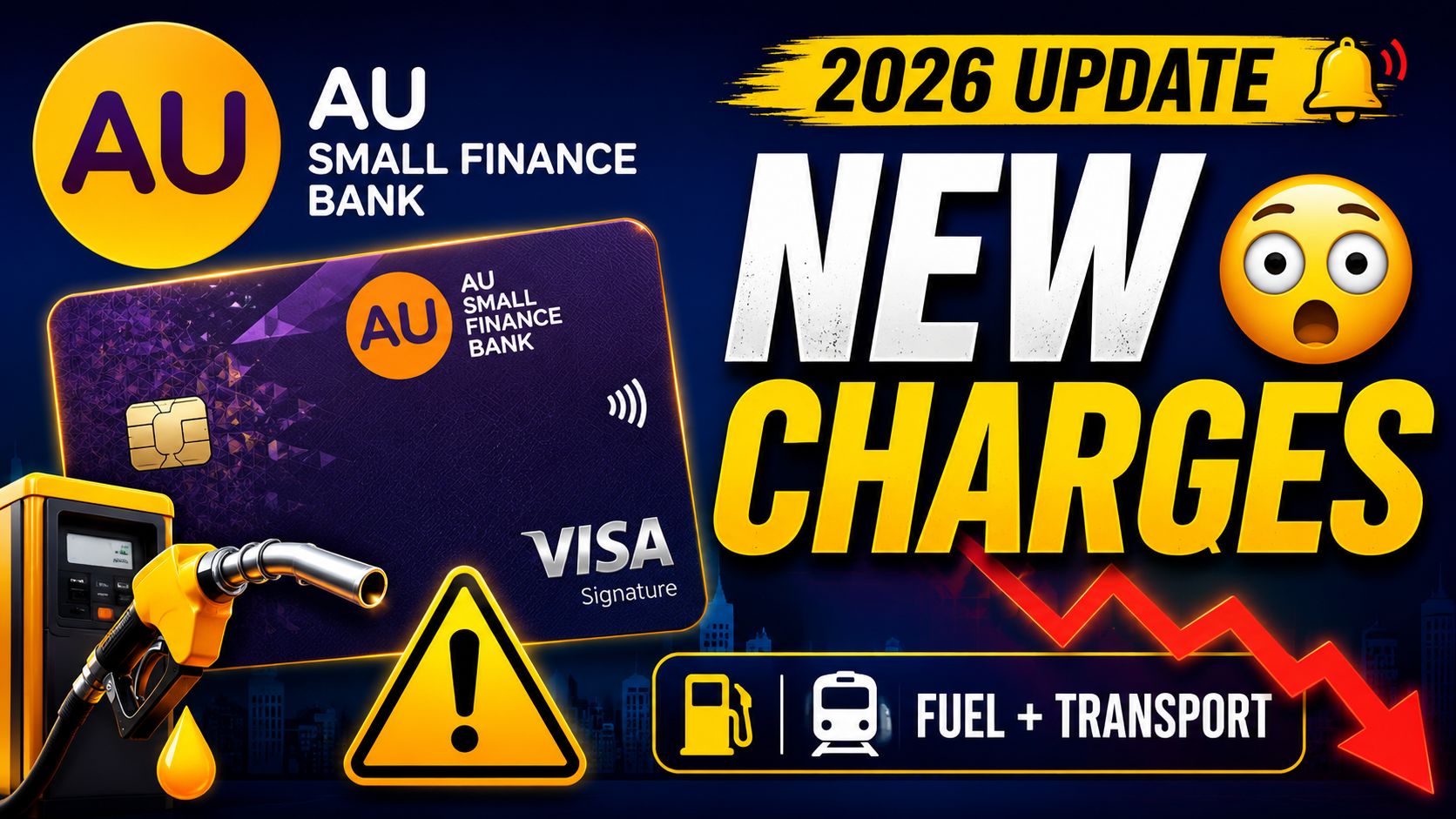
AU Small Finance Bank Credit Cards 2026: New Fair Usage Charges on Fuel and Transportation - Full Impact Analysis, Card-by-Card Breakdown & Avoidance Strategies
personal-finance

AU Small Finance Bank Credit Cards 2026: New Fair Usage Charges on Fuel and Transportation - Full Impact Analysis, Card-by-Card Breakdown & Avoidance Strategies

AU Small Finance Bank's credit card portfolio has earned a solid reputation among Indian cardholders-and for good reason. The LIT Lifetime Free card, the premium Zenith variants, and the travel-focused ixigo AU option have collectively attracted a dedicated user base thanks to competitive fuel surcharge waivers, aggressive reward rates on groceries and dining, and straightforward approval processes that don't obsess over CIBIL thresholds. But if you hold any AU card and spend heavily on fuel or use taxis, tolls, and railways regularly, the bank's latest policy revision demands your attention. Starting 14 June 2026 for transportation and 1 July 2026 for fuel, AU is introducing "Fair Usage Charges"-a 1% fee plus GST on transactions that breach monthly thresholds. This isn't a rumor or leaked memo; it's documented in the bank's official Schedule of Charges and Revision Notices updated this month. This guide breaks down exactly what's changing, which cards are affected, and-most importantly-practical strategies to neutralise the impact.

⏱️ 15 min readRead More →
How Credit Card Reward Points Work in India: Earn Rates, Redemption, and Maximisation Explained
personal-finance

How Credit Card Reward Points Work in India: Earn Rates, Redemption, and Maximisation Explained

Credit card reward points are one of the most misunderstood features of credit cards in India. Many cardholders accumulate points for years and then redeem them at poor value - or watch them expire unused. Understanding how reward points work, what they are actually worth, and which redemption options give you the best return is the difference between a card that costs you nothing and one that pays you back 3-5% of your spending every year. This guide explains the full mechanics: how points are earned, how their value is calculated, which redemption channels are worth using, how expiry works, and practical strategies for getting maximum value.

⏱️ 12 min readRead More →
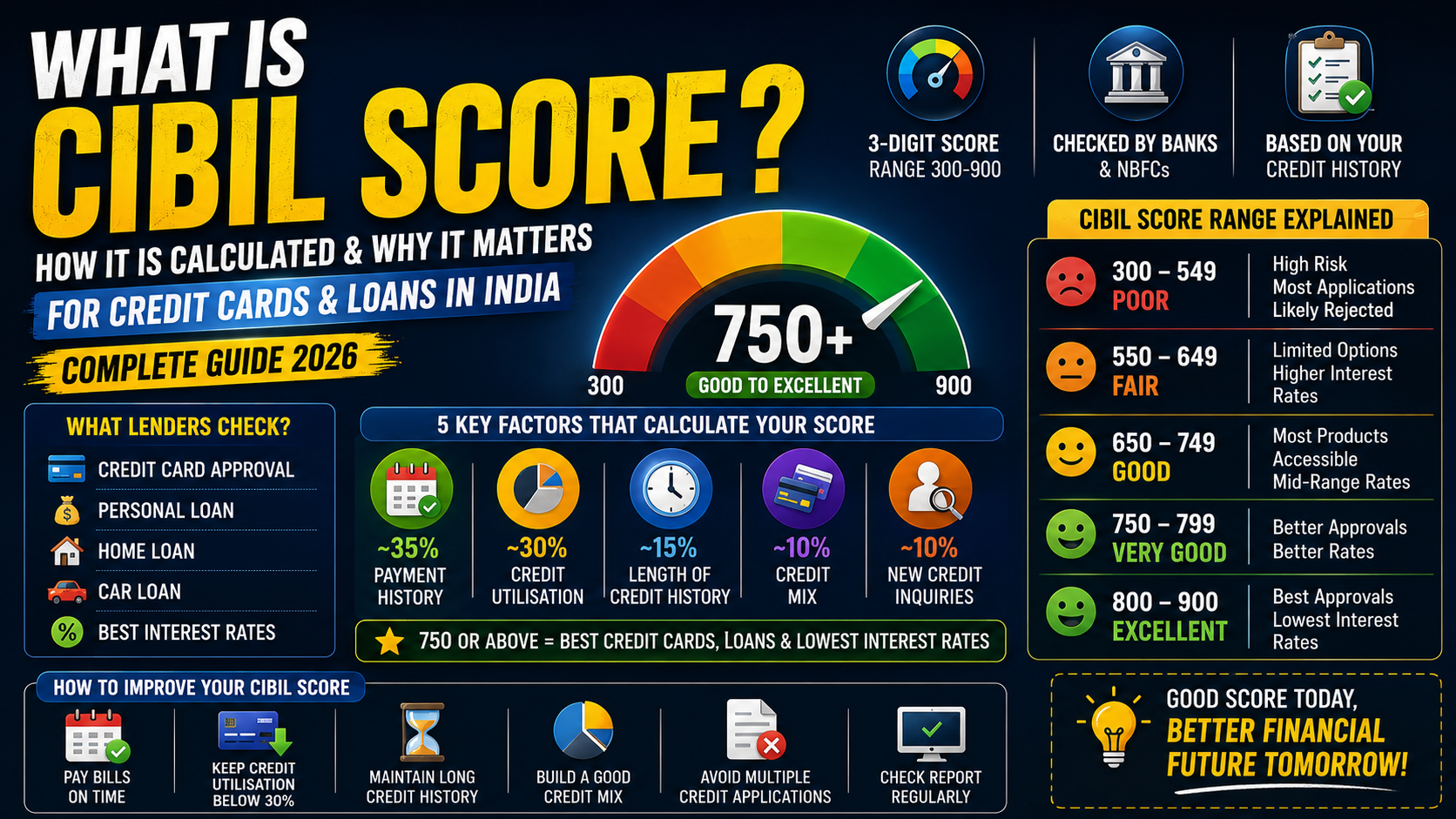
What is CIBIL Score? How It Is Calculated and Why It Matters for Credit Cards & Loans in India
personal-finance

What is CIBIL Score? How It Is Calculated and Why It Matters for Credit Cards & Loans in India

Your CIBIL score is a three-digit number between 300 and 900 that summarises your credit history. Banks and NBFCs check it every time you apply for a credit card, personal loan, home loan, or car loan. A score of 750 or above generally qualifies you for the best credit card offers and the lowest interest rates. A score below 650 will result in most applications being declined or approved only at higher interest rates. This guide explains exactly how the score is calculated, what each factor means in practice, what score you need for different financial products, and the specific steps you can take to build or repair your score.

⏱️ 10 min readRead More →